Most banks require full tax returns. Low doc lenders accept alternatives.
Self-employed borrowers often have legitimate income that doesn't show up clearly in tax returns - because of depreciation, reinvestment, or simply because returns haven't been lodged yet. Low doc and alt doc loans bridge this gap by accepting alternative income evidence. The trade-off is typically a higher interest rate and lower maximum LVR. Lendology ensures you only go low doc when it genuinely produces a better outcome than full doc with the right lender.
The Lendology process
121 five-star Google reviews
Read all reviews →Go deeper
FAQs
You might also be interested in
Adelaide suburbs we serve
Low doc and alt doc home loan advice across Adelaide - specialist help for self-employed borrowers and contractors.
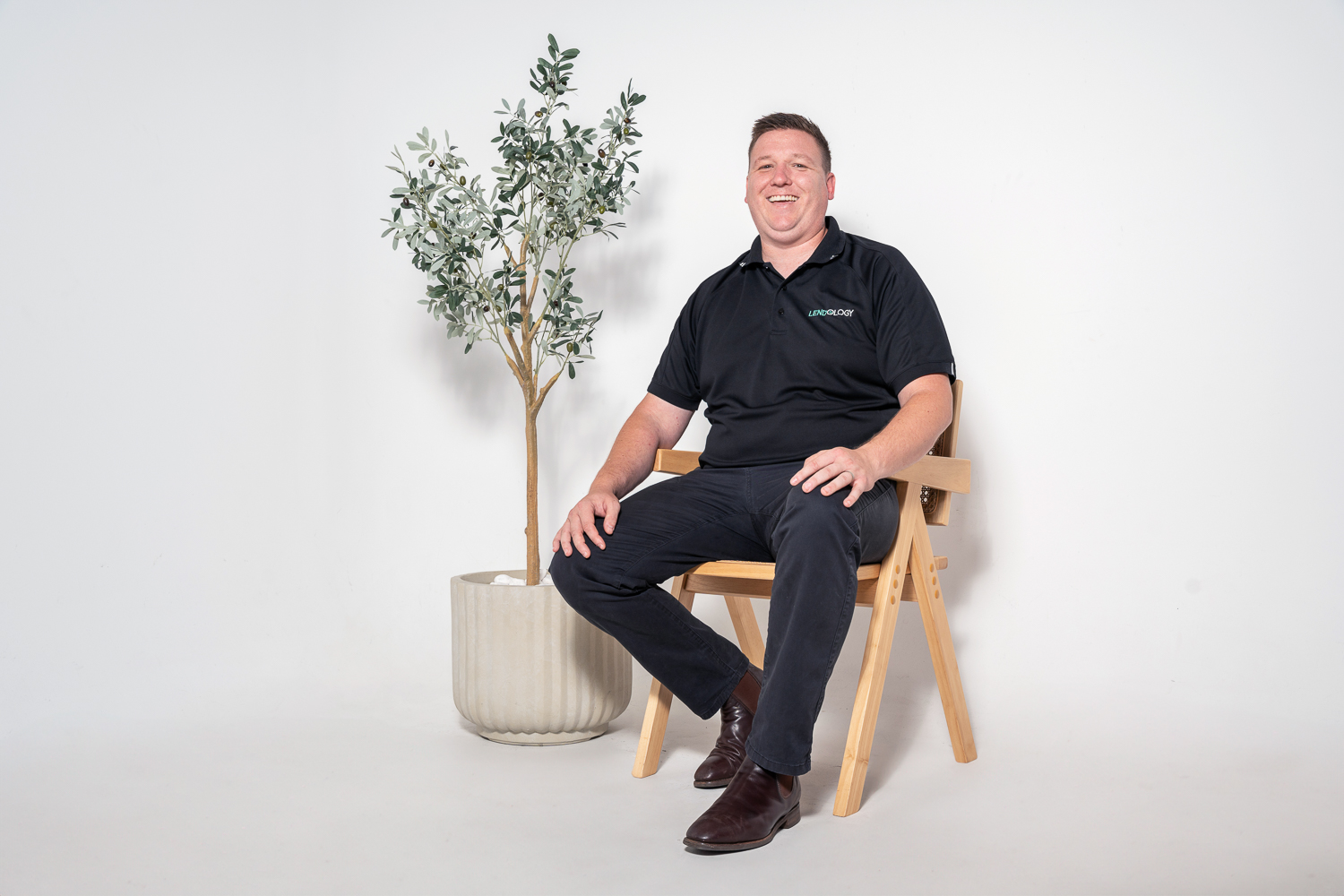
Jason Given MFPA
Director & Mortgage Broker
Jason founded Lendology to give Adelaide borrowers honest, expert advice that is genuinely in their corner. His particular strength is in complex and non-standard lending - self-employed borrowers, company directors, trust structures, and anyone whose situation does not fit the standard mould. He holds the MFPA designation - one of the first four awarded in South Australia.
Send us a message instead.
We respond to all enquiries within one business day - usually the same day.